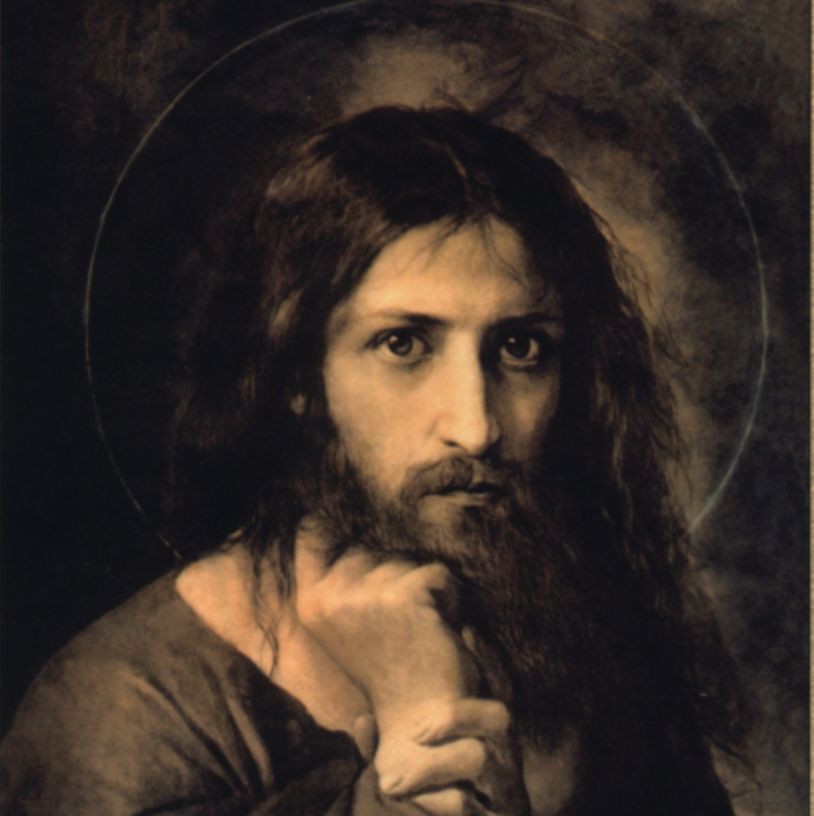
Kad sam prvi put čuo ime Isus, nekako sam znao da je to ime nekoga ko me voli.
When I first heard the name Jesus, somehow I knew it was the name of someone who loves me.
Autor nepoznat / Author unknown
Isus nije došao da stvori novu vjersku instituciju ili religiju, već da reformiše onu koja je već postojala. Htio je da postaneš svjestan tvoje sopstvene povezanosti s Bogom.
Došao je da pobudi tvoju duhovnu imaginaciju i da te inspiriše da vjeruješ svojoj, od Boga datoj intuiciji i onome što ti tvoje srce govori.
Zamisli sad.
Na putu kojim idemo kroz ovaj život nismo sami – imamo nevidljivog saputnika.
Možda ga ne poznaješ. A i ako ga poznaješ, da ga ugledaš pored sebe, možda ga ne bi odmah prepoznao. Nije puno zabrinut ili razočaran zbog toga, jer on poznaje tebe.
Na taj put ste krenuli zajedno, možda nekad davno. Dobro bi ti došla jedna mapa jer ne znaš detalje tog puta (da, ne zna ih ni on), ali imaš kompas koji ti je dao i koji ti pokazuje pravac.
Put je dug i nepredvidljiv, nailazi se na razna mjesta, nekad opasna. Možda ponekad i odlutaš s puta i izgubiš se. Ali poslije nekog vremena, iz daljine, čuješ kako te neko doziva, kao da čuješ svoje ime. I sad si uzdrhtao od radosti jer si prepoznao glas. I ponovo ste na putu zajedno.
Ako si uspio da zamisliš i ako ti je srce uzdrhtalo, kao meni dok ove redove pišem, onda je dobro. On je tu, pored tebe.
U nastavku slijedi kratka trodjelna priča o čovjeku u kojem je bio Bog.
Četvrti dio priče je njegov život danas i to dopišite sami.
Jesus didn’t come to create a religious institution or new religion but to reform the existing one. He wanted to awaken you to your own connection to the Divine.
He came to provoke your sacred imagination and to inspire you to trust your own God-given intuition and what your heart tells you.
Imagine now.
On the road we take through this life, we are not alone – we have an invisible companion.
You may not know him. And even if you do, were he to suddenly appear by your side, you might not recognize him. He does not fret or despair at this, for he knows you. The two of you set out upon this journey long ago, who can say when. A map would serve you well, for the way ahead is unknown (yes, even to him), yet he has placed in your hand a compass that points to the right direction.
The road is long and uncertain, winding through many places, at times perilous. You may sometimes stray, wander off the path, lose yourself. But after a while, from afar, you hear as if someone is calling you, as if your name is being spoken. And then you tremble with joy, for you have recognized the voice. And once more, you are back on the road together.
If your imagination was stirred, and if your heart has trembled—just as mine does while I write these lines—then all is well. He is by your side.
What follows is a short three-part story about a man in whom God dwelt.
The fourth part is his life today and that part is up to you to write.
Kratka priča u tri dijela | A Short Story in Three Parts
Isus iz Nazareta: mit ili istorija?
Jesus of Nazareth: Myth or History?
Riječi
The Words
Na putu | On the Road

Isus iz Nazareta: mit ili istorija?
„Neron je okrivio… jednu skupinu koju je narod mrzio zbog njihovih odvratnosti, a koju je nazivao hrišćanima. Hristos, od koga potiče to ime, pretrpio je krajnju kaznu za vrijeme vladavine Tiberija, po presudi… Pontija Pilata; i jedno veoma opasno praznovjerje, privremeno ugušeno, ponovno je izbilo – ne samo u Judeji, izvoru toga zla, nego i u Rimu…”
— Rimski istoričar Tacit
Jesus of Nazareth: Myth or History?
“Nero fastened the guilt … on a class hated for their abominations, called Christians by the populace. Christus, from whom the name had its origin, suffered the extreme penalty during the reign of Tiberius at the hands of … Pontius Pilatus, and a most mischievous superstition, thus checked for the moment, again broke out not only in Judaea, the first source of the evil, but even in Rome….”
— Tacitus, Roman historian
Riječi
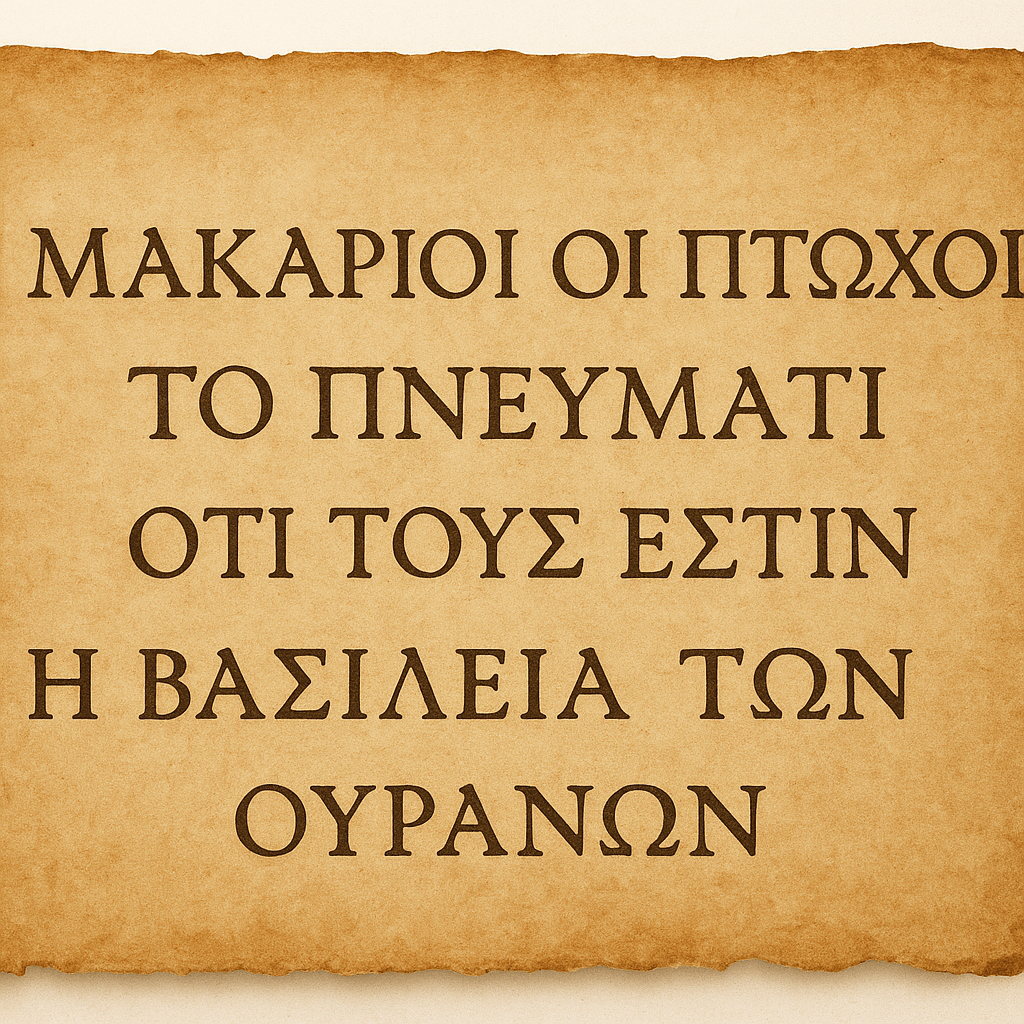
Blaženi su siromašni duhom, jer je njihovo Carstvo nebesko.
Blaženi su žalosni, jer će primiti utjehu.
Blaženi su krotki, jer će im se dati zemlja u nasljedstvo.
Blaženi su gladni i žedni pravednosti, jer će se nasititi.
Blaženi su milostivi, jer će im se Bog smilovati.
Blaženi su čisti srcem, jer će oni Boga gledati.
Blaženi su mirotvorci, jer će ih Bog nazvati svojim sinovima.
Blaženi su prognani zbog pravednosti, jer je njihovo Carstvo nebesko.
Blaženi ste kad vas budu vrijeđali i progonili i kada vas zbog mene lažno optuže pripisujući vam svako zlo.
Radujte se i kličite, velika je nagrada vaša na nebesima; tako su progonili i proroke prije vas.
Iskreno, ako Isus nije taj koji je rekao te stvari, onda želim da slijedim onoga ko jeste.
— K. Džajlz
The Words
Blessed are the poor in spirit, for theirs is the kingdom of heaven.
Blessed are those who mourn, for they will be comforted.
Blessed are the meek, for they will inherit the earth.
Blessed are those who hunger and thirst for righteousness, for they will be filled.
Blessed are the merciful, for they will be shown mercy.
Blessed are the pure in heart, for they will see God.
Blessed are the peacemakers, for they will be called children of God.
Blessed are those who are persecuted because of righteousness, for theirs is the kingdom of heaven.
Blessed are you when people insult you, persecute you and falsely say all kinds of evil against you because of me.
Rejoice and be glad, because great is your reward in heaven, for in the same way they persecuted the prophets who were before you.
Frankly, if Jesus isn’t the one who said those things, I want to follow the guy who did.
— K. Giles
Na putu | On the Road
„I oni govorahu jedan drugome: ne goraše li naše srce u nama kad nam govoraše putem i kad nam kazivaše pismo?”
“They said to each other, ‘Didn’t our hearts burn within us as he talked with us on the road and explained the Scriptures to us?’”
Na putu za Emaus/ On the road to Emaus

Тада Јудеји још једном позваше некадашњег слијепога, па му рекоше »Дај славу Богу.
A second time they summoned the man who had been blind. Give glory to God by telling the truth, they said. We know this man is a sinner.
Знамо да је тај човек грешник.«
А он им одговори: »Да ли је грешник, не знам. Знам само да сам био слијеп, а сада видим.«
Јован 9,24-25
He replied, Whether he is a sinner or not, I don’t know. One thing I do know. I was blind but now I see!
John 9:24-25